Meter to Feet Converter: Complete Guide with Formula, Examples & FAQs
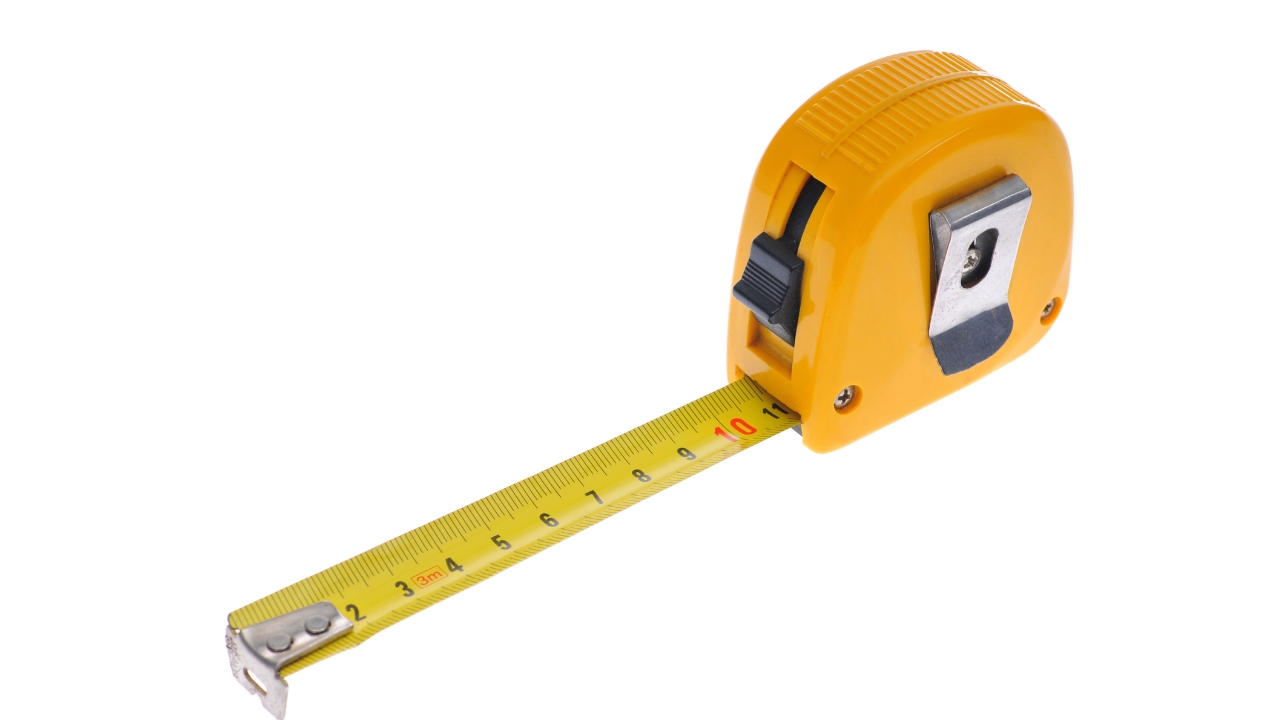
Meter to Feet Converter
In the real estate and construction industry, accurate measurement is extremely important. Whether you are buying land, planning a house, or calculating carpet area, understanding unit conversions can save time and prevent costly mistakes. One of the most commonly used conversions is Meter to Feet.
This blog will help you understand what a meter to feet converter is, how to convert meters to feet, popular conversions, formulas, history, differences, and FAQs—all in one place.
Meter to Feet Converter
A Meter to Feet Converter helps you calculate how many meters equal how many feet. Though meters is a universal measurement, feet is still used, especially in real estate to measure the sizes of homes, in listings, floor plans, and construction diagrams.
Using a meter to feet converter allows you to
Calculate property sizes with precision
Easily switch between metric and imperial
Assist buyers and seller
Common Meter (mtr) to Feet Conversions in Real Estate and Construction
Common conversions that you may come across in construction include:
1 meter = 3.28084 ft
5 m = 16.4042 ft
10 m = 32.8084 ft
20 m = 65.6168 ft
50 m = 164.042 ft
100 m = 328.084 ft
These figures come in handy when determining the dimensions of a room, road width, plot length, and boundary walls.
How to Convert Meter to Feet?
Converting meters to feet is very simple. You only need to multiply the value in meters by 3.28084.
Step-by-step Process:
Take the measurement in meters
Multiply it by 3.28084
The result is the value in feet
This method works for all types of length conversions, whether small or large.
General Conversions from Square Meter to Square Feet
In real estate, area conversion is just as important as length conversion. Below are common square meter to square feet conversions:
1 sq meter = 10.7639 sq feet
10 sq meters = 107.639 sq feet
50 sq meters = 538.195 sq feet
100 sq meters = 1076.39 sq feet
200 sq meters = 2152.78 sq feet
These conversions are widely used when calculating:
Carpet area
Built-up are
Plot size
Example and Formula of Meter to Feet
Formula:
Feet = Meter × 3.28084
Example:
If a plot length is 15 meters, then:
15 × 3.28084 = 49.21 feet
So, 15 meters = 49.21 feet
This is a universal and globally accepted formula for length conversion.
What is a Meter
A meter is a standard unit of measurement commonly used in most countries for industrial, scientific, everyday measurements as well as engineering drawings, architecture, land measurement, and road and infrastructure measurement.
The Origin of Meter
The meter was first invented in France during the 1790s and was defined as 1/10 millionth of the distance from the equator to the North Pole. As time passed, the definition was changed for the sake of precision. A meter today is defined as the:
Distance light travels in a vacuum in 1/299,792,458 seconds.
Of all the units of measurement, the meter is considered to be the most accurate and standardized.
About Feet
Feet is a unit of measurement that is primarily used in the imperial and US customary systems of measurement. It is often used in realty, architecture, and interior design.
1 foot is equal to:
12 inches
0.3048 meters
In India, feet are still used to measure properties and outline floor plans.
The History of Feet
The foot is an ancient unit of measurement that was based on the actual size of a human foot. As time passed and more civilizations were created, the definition of a foot changed and became standardized.
1 foot = 0.3048 meters.
This final definition helped the metric and imperial systems to be more easily converted.
| Feature | Meter | Feet (ft) |
| —————— | ————— | ———————— |
| Measurement System | Metric (SI) | Imperial |
| Standard Unit | Yes | No (regional) |
| Global Usage | Worldwide | Limited regions |
| Real Estate Usage | Technical plans | Common property listings |
| Conversion Value | 1 meter | 3.28084 feet |
Both units are important, but meters are more scientifically standardized, while feet are more commonly used in property discussions.
Main Unit Calculators
These are other calculators useful in real estate besides meter to feet calculators:
Square Meter to Square Feet
Feet to Inches
Meter to Yard
Square Feet to Square Yard
Acre to Square Feet
These calculators serve the buyer, seller, and developer to make better decisions.
Frequently Asked Questions Meter to Feet
1. How many feet are there in 1 meter?
1 meter equals 3.28084 feet (ft).
2. Why is meter to feet conversion important in real estate?
Because property measurements are shown in feet, while the plans use meter.
3. What is the easiest way to convert meters to feet?
To compute, just multiply the meter value by 3.28084.
4. Is square meter conversion different from meter conversion?
Yes. Square meter converts area, while meter converts length.
5. Which unit is more accurate?
Both are accurate, but the meter is internationally standardized, so it is more accurate.
Conclusion
Anyone working in real estate, construction, or property investment must know how to use a meter to feet converter. It is crucial in all activities regardless of whether one is assessing the size of a room, length of a plot, or area of a property. Knowing how to convert accurately reduces ambiguity.
Using standard formulas and validated conversion values will ensure accurate property decisions. Being clear and consistent with units will foster trust and confidence and will lead to better decisions.
Stay informed, Stay ahead and Stay inspired with VNSProperty